

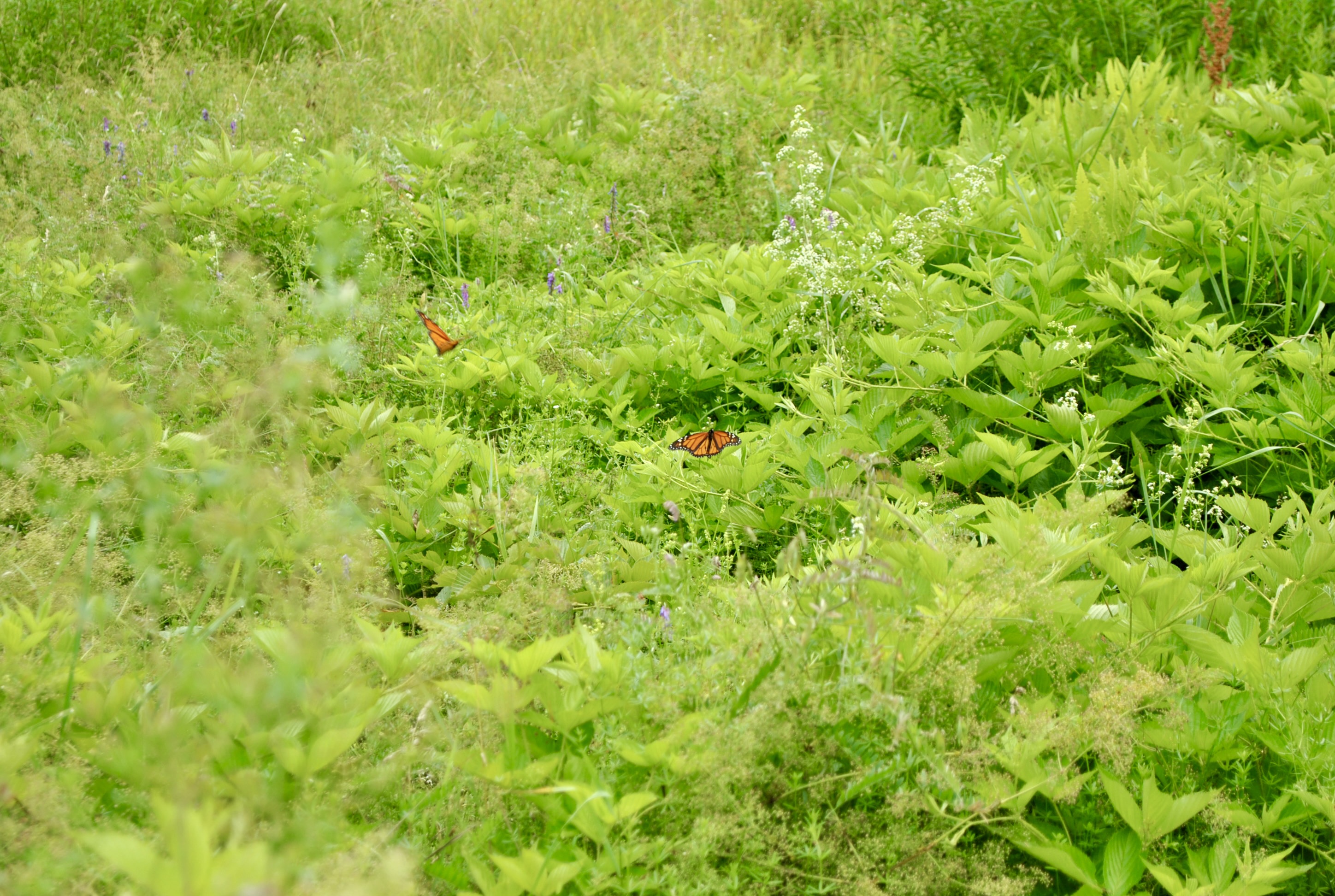
Looking for a fun outdoor adventure that turns an ordinary walk into a real-life treasure hunt?
Late July and August are some of the best times of year to search for monarch caterpillars. As monarch butterflies prepare for their incredible migration to Mexico, they lay their eggs on one very special plant: milkweed. A few days later, tiny striped caterpillars hatch and begin feeding before eventually forming their beautiful green chrysalis.
The best places to look aren’t deep in the woods—they’re sunny meadows, old fields, powerline corridors, and trail edges where milkweed grows naturally.
The locations below all offer the type of habitat where families have a good chance of finding milkweed and monarch caterpillars while enjoying a hike together.
💌 Stay Connected with Local Family Fun
Love discovering family-friendly places like these? Subscribe to the Lake Region Kids Calendar newsletter and get weekly updates on local events, playgrounds, trails, and simple outdoor adventures around the Sebago Lake region.
Delivered every Thursday morning—easy ideas, all in one place.
Black Brook Preserve
Windham
Black Brook Preserve is one of the area’s best places to search for monarch caterpillars thanks to its large open meadow filled with native wildflowers and milkweed. Follow the Field Loop and take your time examining the undersides of milkweed leaves for tiny cream-colored eggs or striped caterpillars.
Even if you don’t find a monarch, you’ll likely spot bees, dragonflies, and dozens of other pollinators enjoying the meadow.
Mountain Division Trail
Standish • Windham • Gorham
The Mountain Division Trail passes through miles of sunny rail corridor where milkweed often grows along the trail edges. Walk slowly and check patches of milkweed as you go.
Because the trail stretches through several communities, every section can offer slightly different habitat and new opportunities to spot monarch eggs, caterpillars, or adult butterflies.
Read our full guide to this trail here.
California Fields
Hollis
California Fields features wide open grassy habitat that supports many native wildflowers throughout the growing season. The sunny conditions make it an excellent place to look for milkweed while enjoying an easy family walk.
Fort Hill Park
Gorham
The open meadows at Fort Hill Park provide another excellent location to search for milkweed. While kids explore the wide grassy spaces, parents can inspect milkweed patches growing around the field edges.
It’s an easy outing that combines plenty of room to play with opportunities to observe butterflies and other pollinators.
Twin Brook Recreation Area
Cumberland
Twin Brook’s network of trails winds through fields, wetlands, and open habitat where milkweed is commonly found. Families can enjoy an easy walk while keeping an eye out for monarch butterflies fluttering among the wildflowers.
Hacker’s Hill
Casco
Known for its incredible views, Hacker’s Hill also features sunny open areas where native meadow plants thrive. Before or after enjoying the overlook, spend a few minutes checking nearby milkweed patches for monarch activity.
Mayberry Hill Preserve
Gray
Mayberry Hill combines forest trails with beautiful open fields that provide excellent monarch habitat. The meadows are especially enjoyable in midsummer when wildflowers are blooming and butterflies are active throughout the day.
Sebago Lake Land Reserve
Standish
Several areas of the Sebago Lake Land Reserve include open fields and sunny clearings where milkweed grows. Check meadows near trailheads and other open areas before heading deeper into the forest.
The reserve also makes a wonderful place to observe many different species of butterflies and pollinators throughout the summer.
Peabody-Fitch Woods
Bridgton
Peggy’s Pasture is exactly the type of old-field habitat monarchs love. The open meadow supports a variety of native plants and provides families with an enjoyable place to slowly explore while searching for milkweed.
Bring binoculars if you enjoy birdwatching—this area is also popular with many grassland birds.
Thayer Brook Preserve
Bridgton
Thayer Brook Preserve includes sunny openings and meadow habitat that can provide excellent opportunities for finding milkweed during the summer months. Take your time walking the trail edges and carefully inspect each milkweed plant you find.
Sometimes the smallest caterpillars are only a few millimeters long, making patience part of the adventure.
Read our full guide to this preserve here.
Why Raising Monarchs Can Make a Difference
Monarch butterflies have experienced dramatic population declines over the past several decades due to habitat loss, pesticide use, and changing weather patterns. Eastern monarchs are now considered an endangered migratory population.
In the wild, the odds are stacked against them. Scientists estimate well under 10% of monarch eggs survive to become adult butterflies, with many studies suggesting only 2–5% successfully make it through all life stages. Eggs and caterpillars are frequently eaten by birds, spiders, ants, wasps, and other predators, while disease and harsh weather claim many more.
Because of these low survival rates, many families choose to raise one or two monarch caterpillars at home before releasing them after they emerge as butterflies. When done responsibly, this can protect them from predators during their most vulnerable stages while giving children an unforgettable opportunity to witness one of nature’s most incredible transformations.
Tips for Raising Monarch Caterpillars
If you decide to raise a monarch at home:
- Only collect one or two caterpillars so plenty remain in the wild.
- Continue feeding them fresh milkweed from the same area where you found them.
- Replace wilted leaves daily and keep the enclosure clean by removing droppings.
- A mesh butterfly habitat, like this pop-up butterfly enclosure, provides excellent ventilation and gives newly emerged butterflies plenty of room to expand and dry their wings before release.
- Keep the enclosure indoors away from direct sunlight and excessive heat.
- Once the butterfly emerges, allow several hours for its wings to fully harden and dry.
- Release it outdoors as soon as weather conditions are favorable, preferably on a warm, calm day near flowers where it can begin feeding immediately.
Watching a monarch transform from a tiny striped caterpillar into a beautiful butterfly is an experience most children never forget—and one that often sparks a lifelong appreciation for nature and conservation.
Tips for Finding Monarch Caterpillars
- Look for common milkweed growing in full sun.
- Check the underside of every leaf for tiny cream-colored eggs.
- Look for fresh chew marks before searching for caterpillars.
- Visit during late July and August for your best chance of success.
- Move slowly. Sometimes you’ll inspect dozens of plants before finding your first caterpillar.
- Leave milkweed patches exactly as you found them so they continue supporting future generations of monarchs.
Final Thought
Searching for monarch caterpillars transforms an ordinary family hike into a real nature expedition. Every patch of milkweed becomes a potential discovery, teaching children to slow down, observe closely, and appreciate the remarkable life cycle happening all around them.
Whether you spend an afternoon exploring Black Brook Preserve, strolling the Mountain Division Trail, or wandering through a sunny meadow at one of these local preserves, you’ll be giving your family the chance to experience one of nature’s most fascinating annual events.
👉 View the full calendar of family events happening this week:
Lake Region Kids Calendar Event Calendar
👉 Explore more family-friendly places around Sebago Lake:
Lake Region Kids Calendar Local Directory
👉 Get weekly local family fun delivered to your inbox every Thursday morning:
Subscribe to the Lake Region Kids Calendar Newsletter
Read More
- Things To Do With Kids This Month Near Sebago Lake
- Summer Concerts Near Sebago Lake
- Summer Food Truck Nights
- Where To Get Ice Cream Near Sebago Lake
- Playgrounds at Beaches Near Sebago Lake








Leave a Reply