
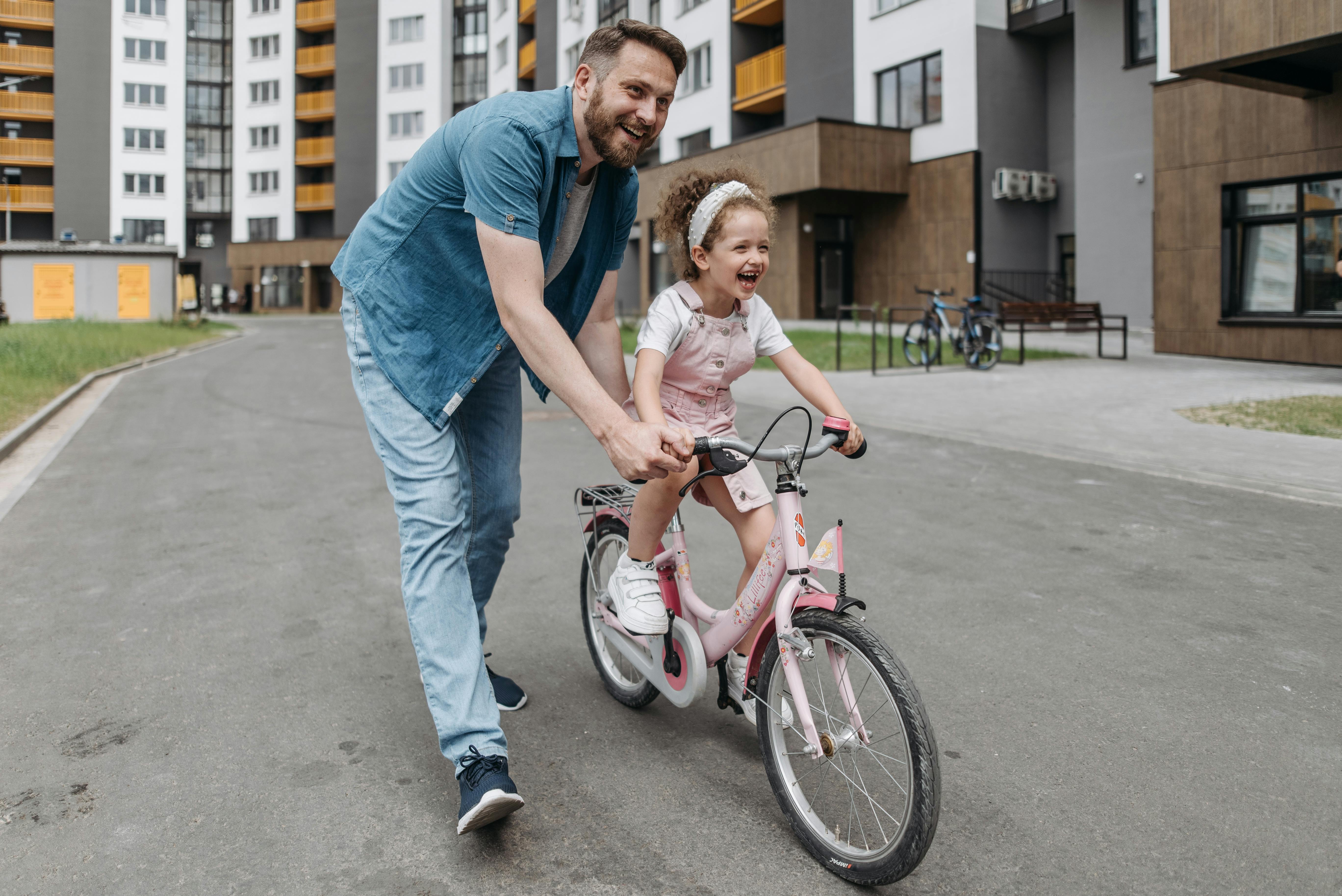
Teaching your child to ride a bike is a special milestone filled with wobbles, triumphs, and big smiles. Whether you’re just getting started or wondering if your child is “behind,” this guide will walk you through the process with practical tips, encouragement, and age-appropriate strategies.
When to Start Teaching Bike Riding
Most kids begin showing interest in bikes between ages 2 and 4. This is a great time to introduce balance bikes—lightweight bikes with no pedals designed to help kids develop balance and coordination. Don’t worry about rushing to pedals; learning to balance first makes the transition to a two-wheeled pedal bike smoother and faster.
By ages 5 to 7, many kids are ready to ride a pedal bike without training wheels. That said, the “normal” age range varies widely. Some kids are ready at 4, others not until 8. It’s all about individual readiness, coordination, and confidence.
What to Begin With: Step-by-Step Method
1. Start with a Balance Bike or Remove Pedals
If your child is new to riding, start with a balance bike or remove the pedals from a regular bike so they can scoot and glide with their feet. This teaches balance without the complication of pedaling.
- Tip: Their feet should be flat on the ground while seated.
- Goal: Have them glide for a few feet without touching the ground.
2. Introduce a Pedal Bike (When They’re Ready)
Once they can coast confidently and steer, you can add pedals. If they’re new to riding altogether, you may skip the balance bike and use a pedal bike with training wheels briefly to build confidence—but keep in mind, training wheels don’t help with balance.
3. Practice Pedaling Separately
Before hopping on the bike, practice the motion of pedaling while your child is seated on a bench or riding a tricycle. Understanding the circular motion ahead of time helps reduce frustration later.
4. Teach Braking Early
Introduce the brakes before letting your child coast or pedal too far. Show them how to use hand brakes or backpedal brakes depending on the bike.
Where to Practice
Pick a wide, flat, and open space—free of traffic, steep hills, or major obstacles.
Great places include:
- Quiet paved trails or walking paths
- Empty parking lots
- School blacktops
- Cul-de-sacs or low-traffic driveways
- Grass fields for softer landings (though pedaling is harder on grass)
Avoid places with too many distractions or steep slopes until your child gains confidence.
Patience, Encouragement, and Realistic Expectations
It’s normal for kids to fall a few times and feel unsure. The key is consistency and positive reinforcement. Keep sessions short—about 15–30 minutes is plenty for beginners.
A few more reminders:
- Don’t compare your child to others—every child progresses differently.
- Celebrate small wins: gliding longer, pedaling a few feet, or balancing independently.
- If your child is struggling and getting frustrated, take a break and try again another day.
What Age Do Kids Typically Ride Without Training Wheels?
Most children ride a pedal bike without training wheels between ages 5 and 7. Some pick it up earlier, especially if they used a balance bike. Others take longer. And that’s completely okay.
Favorite Gear for Teaching Kids to Ride
Having the right tools can make all the difference when teaching your child to ride. These are some of my tried-and-true favorites that strike the perfect balance between safety, comfort, and fun:
Favorite Balance Bike
Strider Balance Bike
This lightweight, no-pedal bike is perfect for kids as young as 18 months. It’s durable, easy to adjust as your child grows, and gives them the confidence to balance without training wheels. We loved how easily our kids could scoot and glide on this one.
Favorite Pedal Bike with Training Wheels (for those who need them briefly)
RoyalBaby Freestyle Kids Bike
This is a great starter pedal bike for ages 3–7. It comes with training wheels (which you can remove once your child is ready), a chain guard for safety, and an easy-to-use rear coaster brake. It’s a solid and affordable choice for the transition phase.
Favorite Kids Bike Helmet
Giro Scamp Youth Helmet
We love the snug, secure fit and easy adjustment dial. It’s lightweight and has good ventilation for warmer rides. Plus, it comes in lots of fun colors your child will be excited to wear!
Final Thoughts
Teaching your child to ride a bike is less about hitting a certain age and more about creating an encouraging environment where they can build confidence, coordination, and a sense of independence. Whether they’re coasting on a balance bike at 3 or pedaling freely at 7, they’re on the right path.
And don’t forget the helmet! Safety first—always.



Leave a Reply