

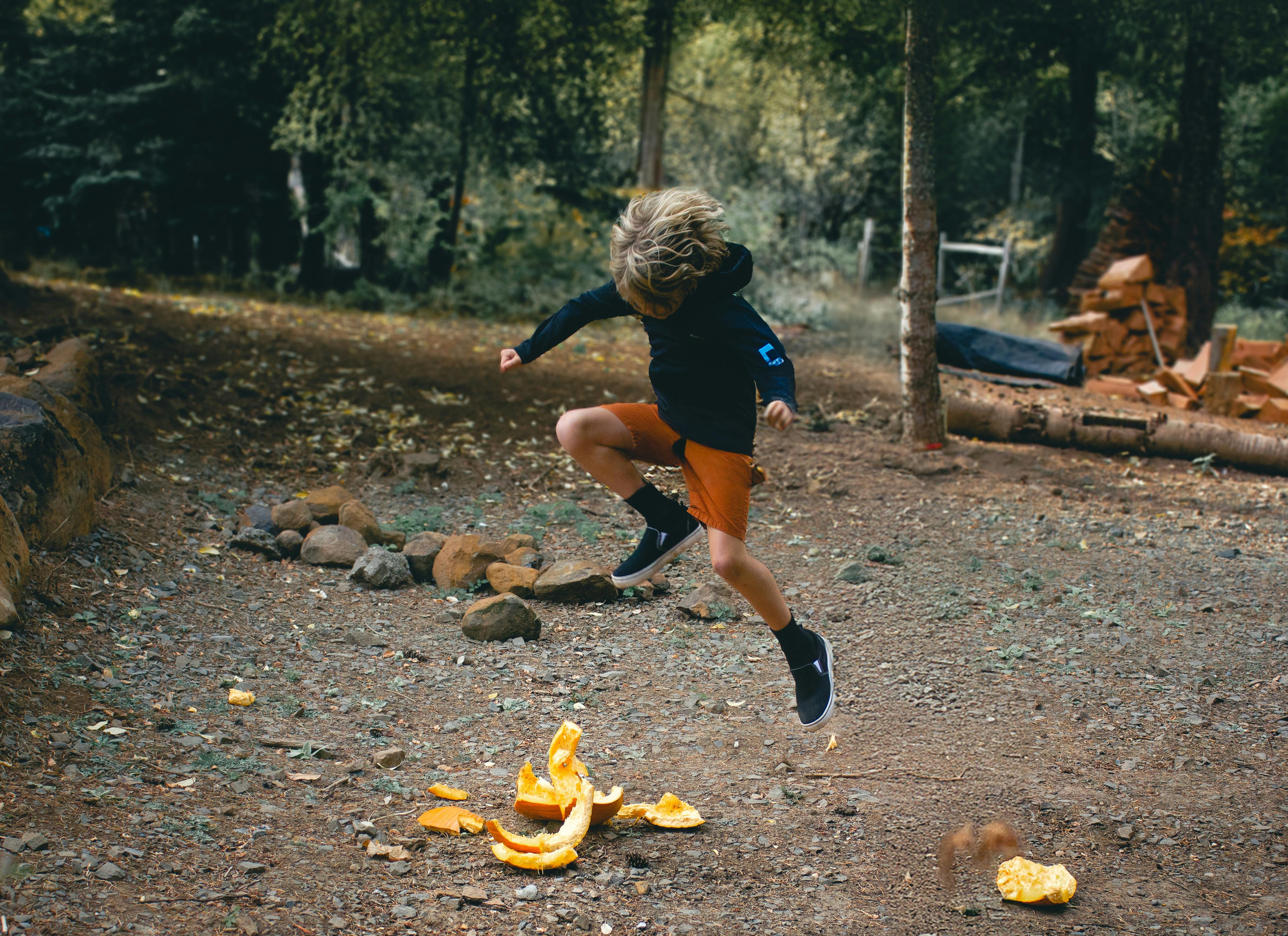
If you’ve ever watched your child turn a pinecone into a pretend ice cream cone or build a fairy village out of sticks and acorns, you’ve seen the magic of loose parts play in action. This simple, open-ended style of play has been gaining attention in early childhood education—and for good reason. It’s creative, accessible, and developmentally rich.
What Is Loose Parts Play?
Loose parts play involves giving children open-ended materials—both natural and synthetic—that they can move, manipulate, combine, redesign, carry, line up, take apart, and put back together in endless ways. These materials don’t come with instructions or a set purpose. That’s the beauty of them.
Loose parts can include:
- Natural items: sticks, pinecones, shells, acorns, rocks, leaves, mud
- Household materials: fabric scraps, cardboard tubes, muffin tins, old keys
- Recyclables: bottle caps, paper towel rolls, egg cartons
- Outdoor finds: sand, bark, pebbles, water, snow
The idea originated with architect Simon Nicholson, who believed that the creativity of an environment is directly related to the number and kind of variables in it—and loose parts provide the perfect variables.
Why Loose Parts Play Is So Beneficial
Loose parts play supports development at nearly every stage of early childhood. Because the materials don’t dictate how they must be used, children are free to explore them in ways that meet their current needs and developmental level.
For Toddlers and Preschoolers:
- Fine and gross motor skills improve as kids scoop, stack, sort, and balance.
- Language development grows as children assign meaning to items and explain their imaginative scenarios.
- Problem-solving and early math skills emerge through grouping, patterning, and comparing sizes or weights.
For Early Elementary Children:
- Storytelling and social skills thrive as children engage in cooperative play and negotiate roles.
- Creativity and flexible thinking deepen as kids experiment with building and design.
- STEM learning is embedded naturally—think engineering with blocks and ramps or experimenting with water flow using tubing.
Loose parts play is also ideal for mixed-age groups. Older children naturally scaffold learning for younger ones, and everyone finds something at their level of challenge and interest.
Where to Do Loose Parts Play
Loose parts play can happen nearly anywhere:
- In your backyard: Gather natural materials and let your child arrange their own play space.
- On a hike or nature walk: Fill a basket with pinecones, feathers, and sticks to explore later.
- At the beach: Shells, sand, driftwood, and seaweed become treasure, tools, or building blocks.
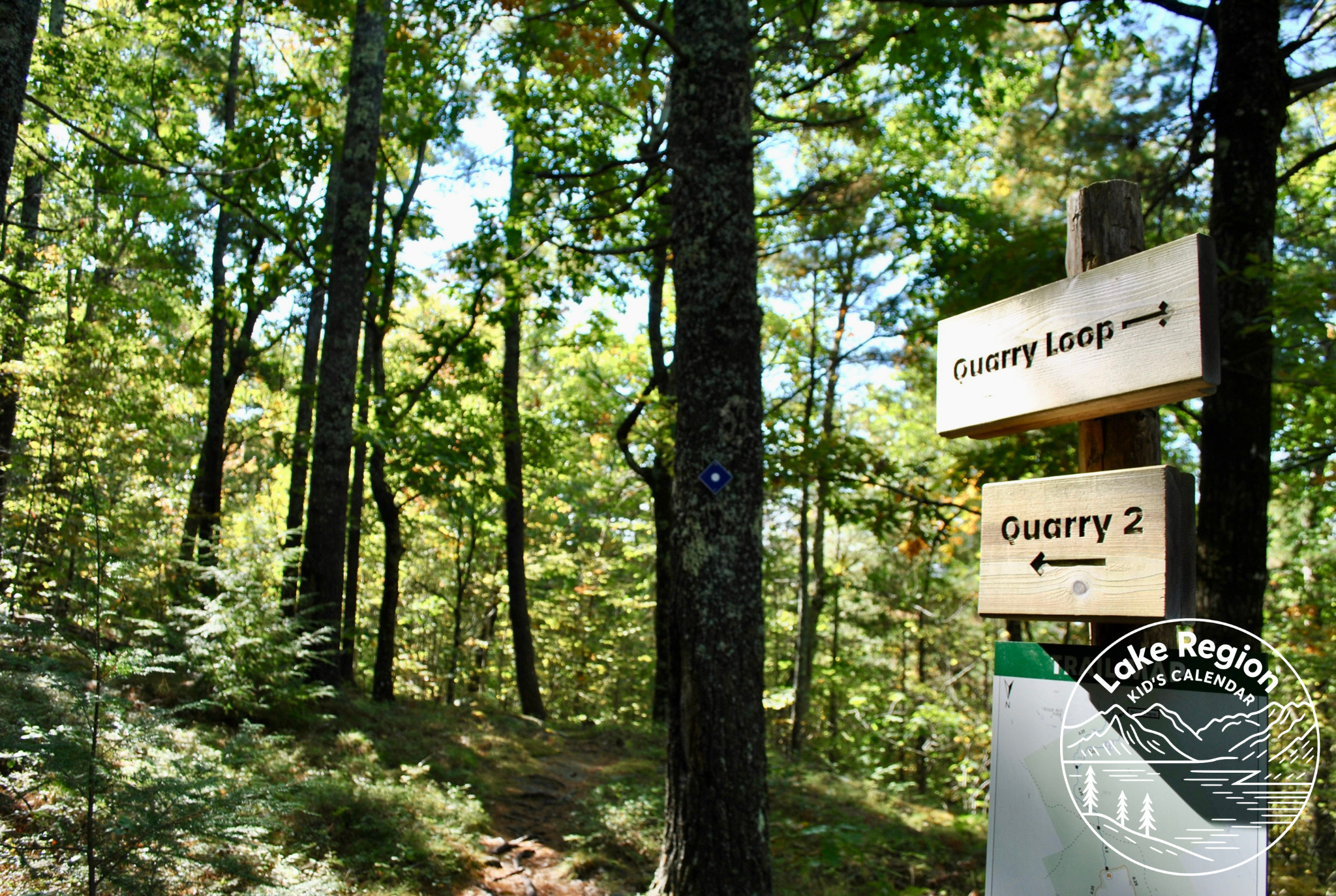
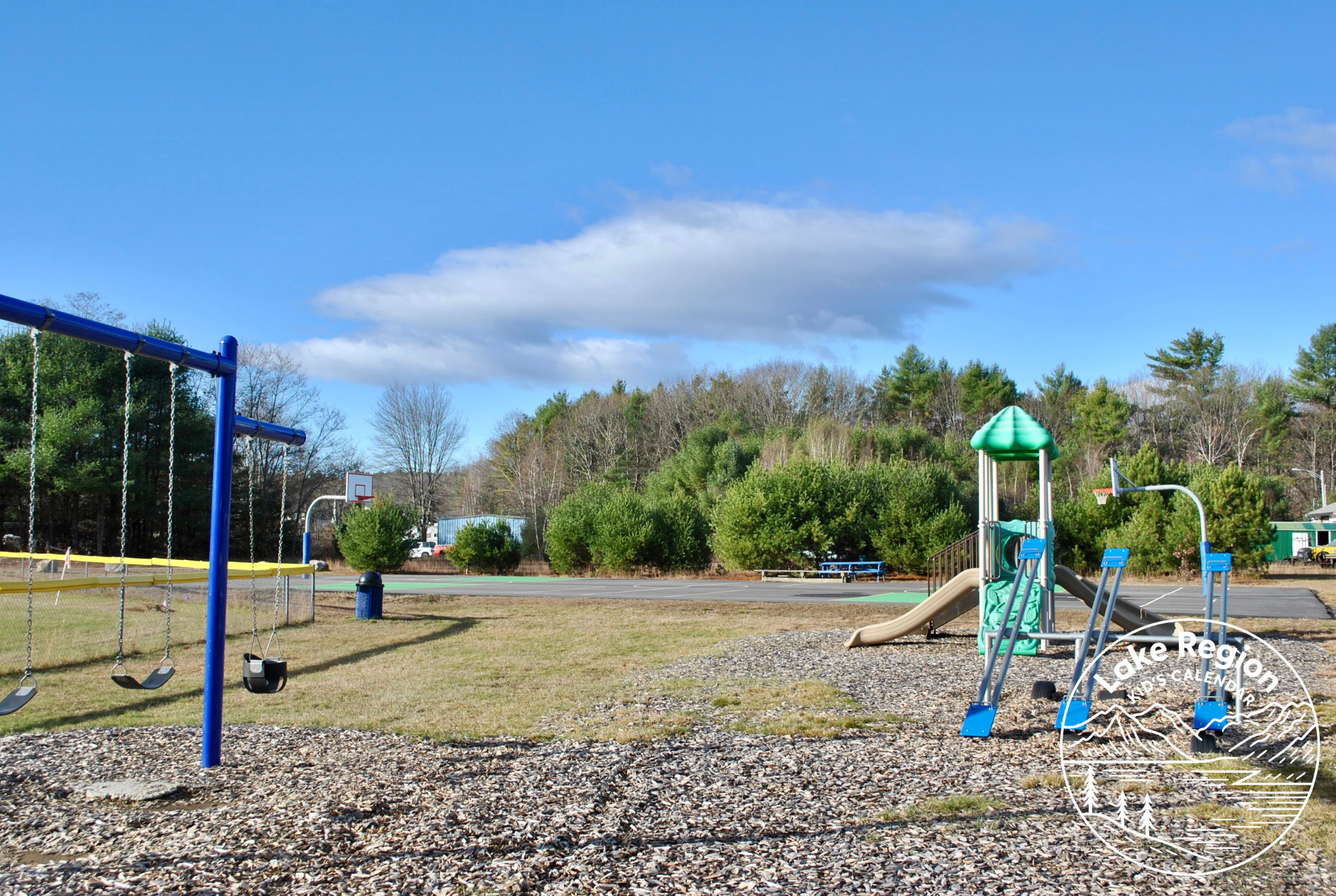
- At a park or trailhead: Bring along a bin of items and set up under a tree or on a picnic table.
- Indoors: Set up a “tinker tray” or invitation to play on a mat or child-sized table using everyday items.
Keep storage simple: baskets, bins, or trays can help sort materials by type and make them easy to rotate in and out.
Final Thoughts
Loose parts play invites your child into a world of endless possibility. With no batteries, screens, or instructions required, it puts the power of play back into their hands—where it belongs. Whether you’re looking to enrich your backyard, spark your child’s imagination, or support developmental growth, gathering a few humble materials can open the door to incredible discovery.
Looking for a local group that supports this type of play? Our Lake Region Nature Playgroup meets weekly and often includes invitations for loose parts exploration in the great outdoors. Come join the fun!




Leave a Reply