


If you’ve ever watched your child splash in a puddle, sift through sand, or listen for birds in the trees, you’ve witnessed something powerful: sensory development in action.
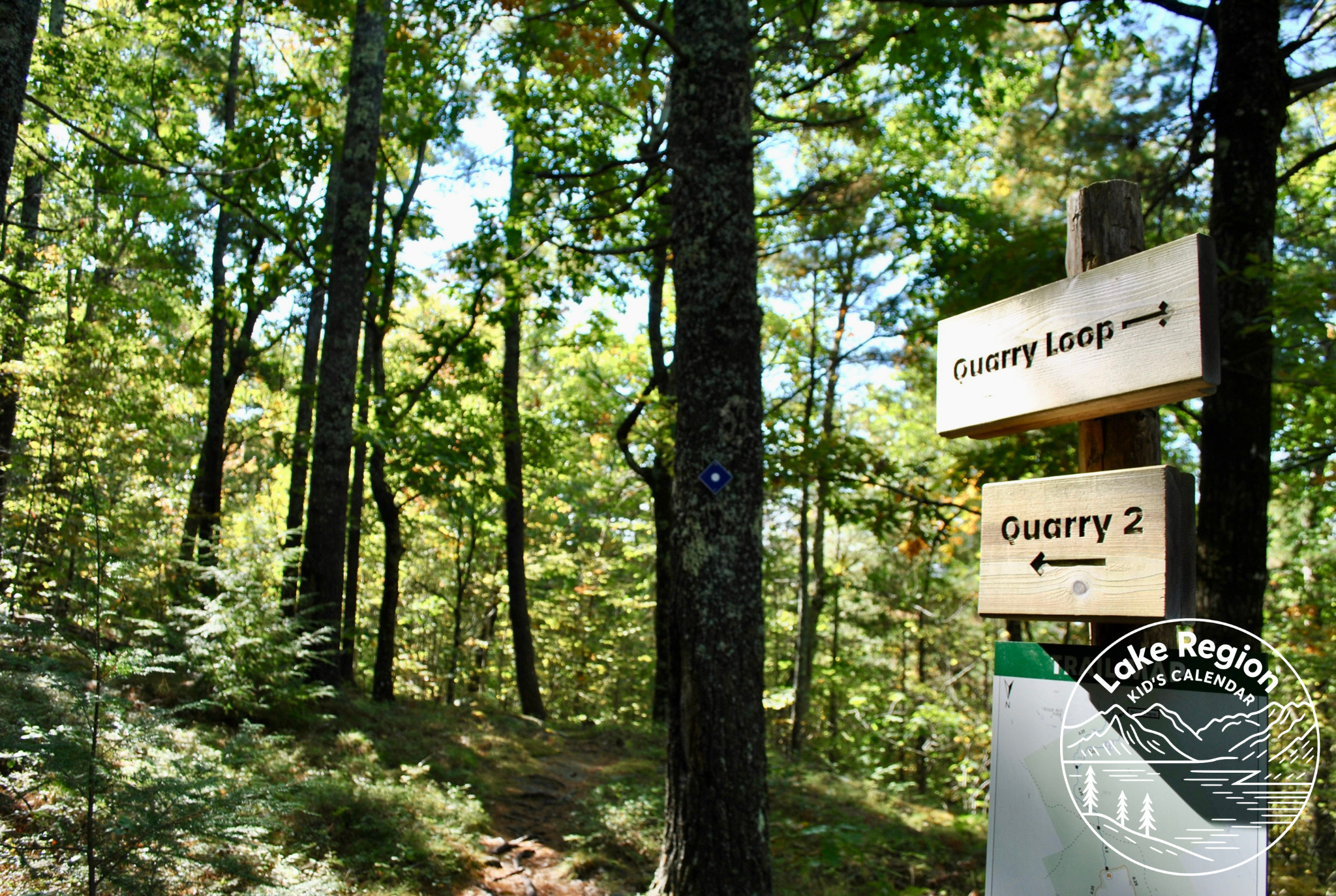
Nature offers one of the richest environments for engaging all five senses—and when kids are outside, their bodies and brains are working hard to take it all in. Whether you’re hiking a trail near Sebago Lake, digging in the garden, or exploring your backyard, those everyday outdoor moments are laying the foundation for strong sensory skills.
What Is Sensory Development—and Why Is It So Important?
Sensory development refers to how children process and respond to information received through their senses: sight, sound, touch, taste, and smell—as well as two often overlooked but essential senses:
- Vestibular sense (balance and movement)
- Proprioception (body awareness)
Together, these systems help children feel secure in their bodies, move with coordination, focus in a classroom, and regulate their emotions. Sensory-rich play, especially in natural environments, builds the brain-body connection that supports learning, attention, and social interaction.
But here’s the concern: today’s kids are spending more time indoors and less time engaging in movement-rich, nature-based play—and it’s taking a toll.
Underdeveloped Sensory Systems: A Growing Concern
Recent studies show an alarming rise in children presenting with sensory processing challenges:
- A 2019 study in Frontiers in Psychology found that at least 1 in 6 children have sensory processing difficulties that interfere with daily life.
- Occupational therapists report increasing numbers of children with low muscle tone, poor coordination, and trouble regulating emotions—all of which are tied to underdeveloped sensory systems.
- Many schools are now seeing more children struggle with sitting still, paying attention, and managing frustration—all signs that sensory systems may not be getting the stimulation they need in early childhood.
Why Nature Is the Best “Sensory Gym”
The great outdoors is unmatched in its ability to feed the senses and encourage whole-body learning. Unlike structured indoor environments or screen-based activities, nature provides multi-sensory, self-directed, and physically dynamicexperiences.
Here’s how it helps:
Sight
Natural light, subtle colors, and varied landscapes strengthen vision, visual tracking, and depth perception—especially as children move through space.
Sound
Birdsong, rustling trees, rushing water—these soothing and unpredictable sounds help kids refine their auditory processing and tune into their surroundings.
Touch
Children’s hands and feet come alive as they feel grass, mud, pinecones, cool streams, and rough bark—building sensory tolerance and awareness.
Smell
Every outdoor environment has its own “scent signature.” The smell of rain, fresh-cut grass, or wildflowers helps develop the olfactory system and creates lasting sensory memories.
Taste
Tasting herbs from the garden or sampling wild blueberries (with supervision!) adds another sensory dimension to outdoor learning.
Vestibular & Proprioception
Running, climbing, rolling, balancing, spinning, jumping—these big-body movements are how children naturally develop balance, strength, and coordination.
What the Experts Say
Angela Hanscom, pediatric occupational therapist and founder of the nature-based play program Timbernook, puts it simply:
“We are starting to see more and more children with sensory issues, social difficulties, and attention problems. The common denominator is a lack of movement and play outdoors. Nature offers the sensory experiences that children need in order to develop healthy sensory systems. It cannot be replaced by indoor sensory gyms or screen time.”
– Angela Hanscom, author of Barefoot and Balanced
Hanscom’s work highlights what many parents intuitively know: kids thrive when they move, explore, and play freely outdoors. Her research and real-life experience show that a child’s sensory foundation is directly tied to time spent in natural, unstructured play.
Simple Ways to Support Sensory Development Outside
Nature play doesn’t have to be complicated. Here are a few ways to make it part of your weekly rhythm:
- Go for a nature walk and collect items that feel different: smooth rocks, rough bark, soft leaves.
- Build a backyard obstacle course using logs, stumps, or garden tools.
- Let your child dig in the dirt or help water the garden—messy is good!
- Balance on curbs, climb boulders, or jump off logs for full-body input.
- Create a sensory scavenger hunt using all five senses.
Need ideas? Our free printable guides and trail reviews make it easy to get started!
Final Thoughts
Sensory development is one of the most important building blocks for a child’s learning, behavior, and emotional regulation—and nature is the ideal setting to nurture it. When you let your kids explore outside, you’re doing more than just burning energy. You’re building stronger brains, healthier bodies, and more confident kids.
Need some inspiration to get started?
Download our free 31 Days of Outdoor Play calendar—packed with simple, screen-free ideas to help your family soak up fresh air and make the most of each day outside. Whether you’re in the backyard, at the park, or out on the trail, there’s something for every age and energy level.
👉 Click here to download it now and start your outdoor adventure today!





Leave a Reply